Avoid unnecessary saturation
Avoid a process that introduces so much water that it damages the supporting gypsum. The assessment needs to consider how the current finish responds and what the substrate can tolerate. For walls beside bright windows, review a dry sample from an oblique angle as well as looking straight at the repaired surface.
Plan fixture coordination
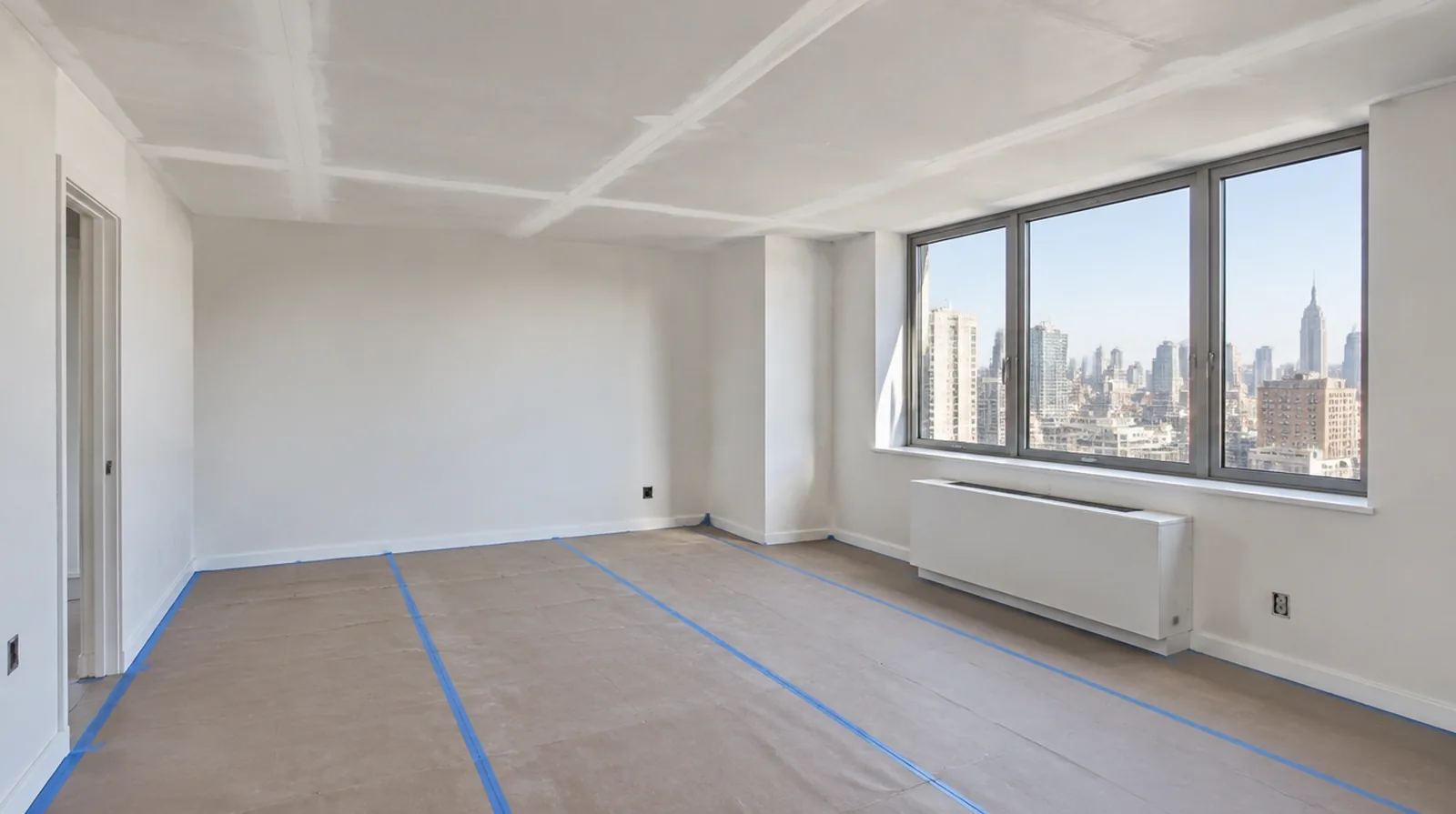
Ceiling fittings may require qualified disconnection or other separate handling before access is available. The scope should identify who disconnects and reinstalls them instead of leaving that responsibility unclear. For a distinctive existing pattern, retain a reference sample or detailed picture to make the matching discussion more specific.
Confirm primer and paint
The newly exposed and repaired ceiling needs an appropriate coating plan after it dries. Define whether decoration is included or whether the drywall handover ends at preparation for coatings. If scheduling is the main concern, separate hands on labor from drying intervals instead of treating every visit as a full day of active work.
Account for side lighting
When heavy texture is removed, side lighting may expose imperfections previously concealed by its relief. A wider skim or more extensive finishing may be suitable for an original surface not built to remain smooth. For a project involving a building manager, confirm access hours and protection requirements before promising a start date or a short completion window.
Choose the final surface
A smooth ceiling and a new decorative texture involve different levels of preparation. A new patterned finish and a flat smooth ceiling can need substantially differing preparation. When a quote includes multiple visits, ask what happens during each stage and when the interior needs to remain undisturbed between coats.
Establish material safety
Do not disturb an older ceiling texture until any material safety concerns have been evaluated. Arrange qualified testing where warranted and follow applicable requirements before disturbing the material. When a wall has repeated defects, keep a record of earlier repair attempts so a new assessment does not simply repeat an unsuccessful approach.
Check for painted coatings
Previously painted popcorn texture may resist simple wetting and require a differing removal approach. Assess a controlled test area so the method, labor and potential substrate repairs are understood. For a distinctive existing pattern, retain a reference sample or detailed picture to make the matching discussion more specific.
Review ceiling condition
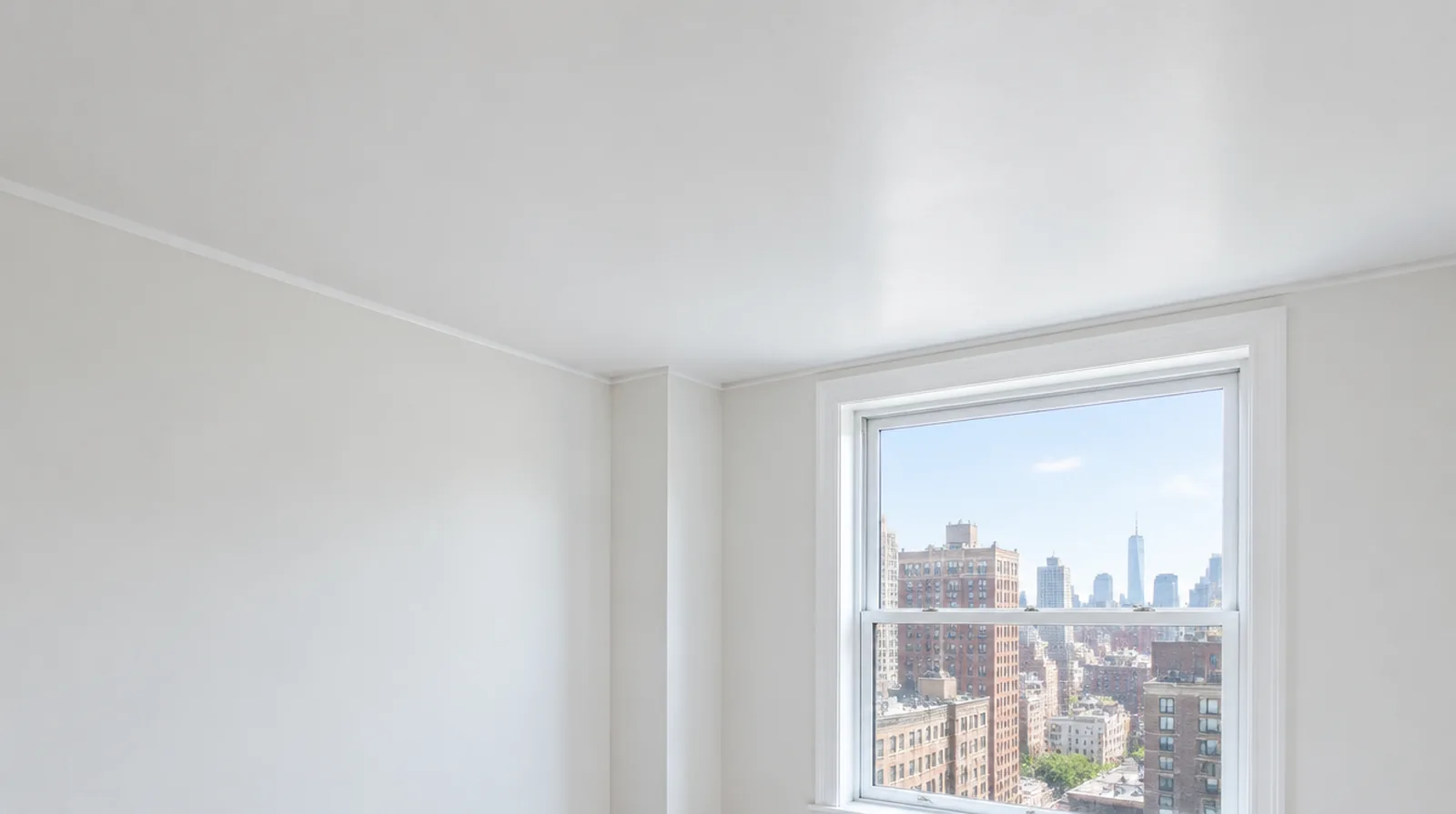
A textured ceiling can hide old repairs and seams that were never prepared for a smooth appearance. Allow for assessment and further finishing after safe removal exposes the original face. When reviewing the finished work, use the agreed lighting and natural room viewpoints so the assessment reflects the intended use of the space.
Separate specialist work
Removal of a confirmed hazardous coating requires the relevant specialist process, not ordinary ceiling scraping. A suitable specialist should define containment, handling and disposal before any finish restoration is planned. For an older repair with no clear history, describe when the mark first appeared and whether it has changed through more than one season.
Plan cleanup and reopening
Allow for debris removal, drying and decorating rather than assuming the room is complete immediately after scraping. Review the agreed surface condition and cleanup before returning the space to normal use. For an initial assessment from pictures, provide an overall room photograph and a detailed view of the defect so both context and scale are apparent.
Project context in New York
A New York apartment project can be constrained by the route into the room before the size of the repair matters. Building access arrangements and any required approvals should be settled independently of the surface repair itself.
Scope questions before finishing
Where a neat final edge matters, agree whether the finish ends against existing trim or whether that trim will be removed and replaced.
If a household member is sensitive to dust, discuss containment and cleaning expectations before choosing how to stage the space work.
Where a finished perimeter is prominent, decide whether trim stays in position or is removed before agreeing how the new surface meets that edge.
For an older repair with no clear history, describe when the mark first appeared and whether it has changed through more than one season.
Where several contractors share the renovation, identify the inspection and handover milestones that determine when each following stage can proceed.
When damage followed other building work, describe the nearby alterations and the sequence between those changes and the first noticeable defect.
For a repair that crosses several surfaces, measure the affected planes separately so the estimate can explain where each finishing treatment starts and stops.
For an initial assessment from pictures, provide an overall room photograph and a detailed view of the defect so both context and scale are apparent.
For a surface carrying numerous paint layers, discuss whether differences in the retained profile or sheen justify decorating a broader area.
If a room has only limited ventilation, discuss how the finishing materials can dry without disrupting comfort or spreading dust elsewhere.
When building management controls access, agree delivery hours and common area protection before committing to a start or finish date.
If the wall work belongs to a broader renovation, coordinate its order with flooring, cabinetry and trim rather than scheduling finishing in isolation.
Explore the New York drywall overview for related options, or read the project planning information before arranging the next stage.
More planning details for New York
Ask about lift reservations, shared corridor protection and the space available to turn a full board at the apartment entrance. A measured sketch of the route is more useful than assuming that a sheet fitting the wall will fit the building. Inside the room, tall windows can send light across a long wall and reveal a poorly feathered transition.